Is Your Home Losing Heat? How Insulation Cuts Energy Bills Before Any Upgrade
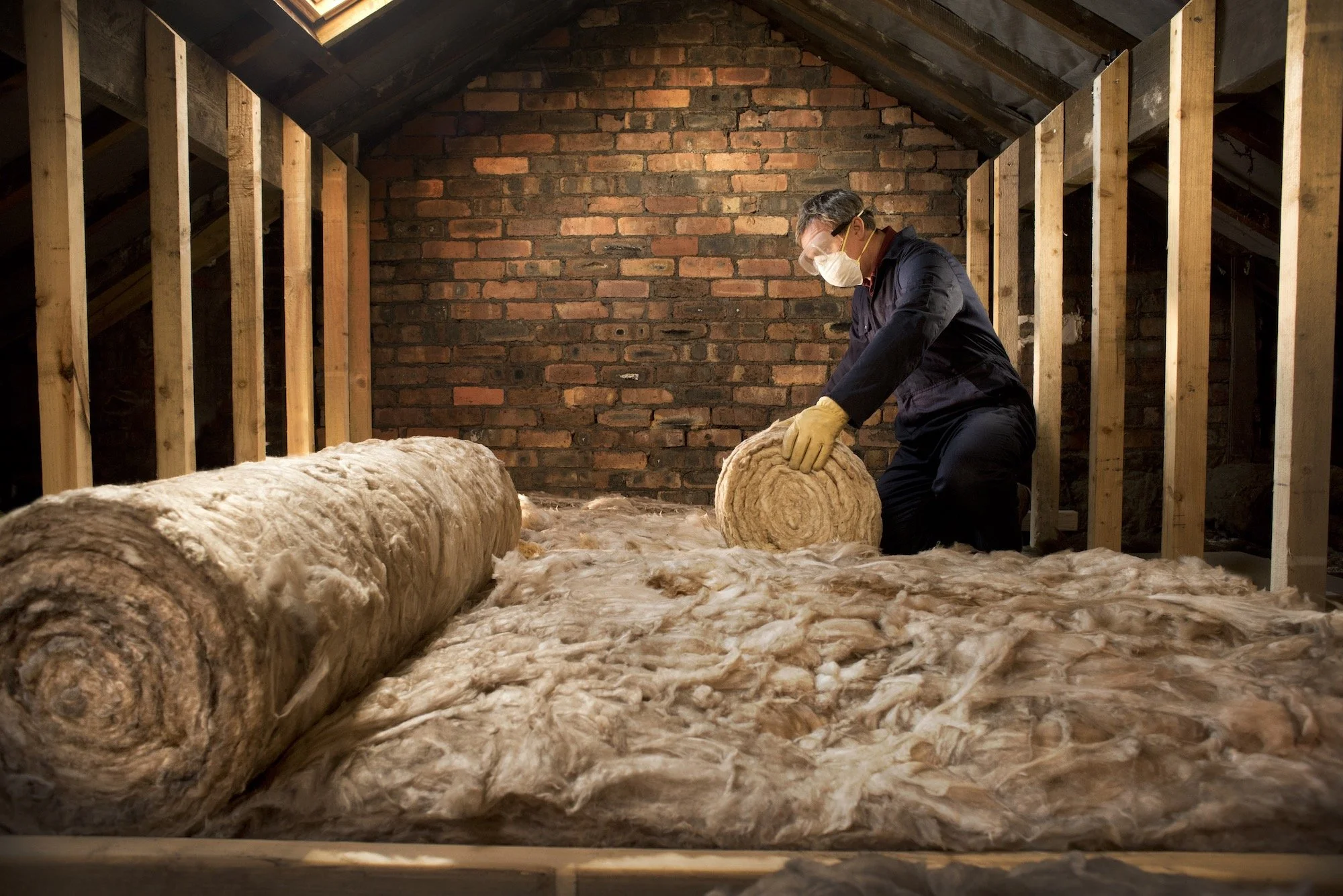
If your home feels cold in winter, expensive to heat, or struggles to stay warm even with the heating on, the problem usually isn’t the boiler — it’s heat loss.
Before investing in bigger upgrades like air source heat pumps or solar panels, insulation is the most effective first step for improving comfort, reducing energy bills, and increasing overall efficiency.
In this guide, we’ll explain:
How heat escapes from UK homes
Why insulation delivers the biggest return first
Which insulation upgrades make the most sense
How insulation fits into a modern energy upgrade plan
Where Most Homes Lose Heat
Most UK homes — especially those built before the 2000s — were constructed with little or outdated insulation. As a result, heat escapes constantly through:
The roof (up to 25% heat loss)
External walls (up to 35%)
Draughts and gaps
Poorly insulated floors
This means you’re paying to heat the outdoors, not your home.
Insulation acts as a barrier, slowing heat loss and allowing your heating system to work less often and more efficiently.
Why Insulation Should Always Come First
Many homeowners jump straight to upgrading heating systems, but without insulation, even the best technology struggles to perform.
Here’s why insulation comes first:
It lowers energy demand immediately
It improves comfort room by room
It reduces running costs before any major spend
It prepares your home for heat pumps and solar
It increases property value and EPC rating
In simple terms:
insulation reduces how much energy your home needs — everything else works better afterwards.
The Most Effective Insulation Upgrades
Loft Insulation
One of the fastest and most cost-effective upgrades.
Benefits:
Major heat retention
Quick installation
Lower heating bills almost immediately
Best for homes with accessible loft space and older insulation layers.
Cavity Wall Insulation
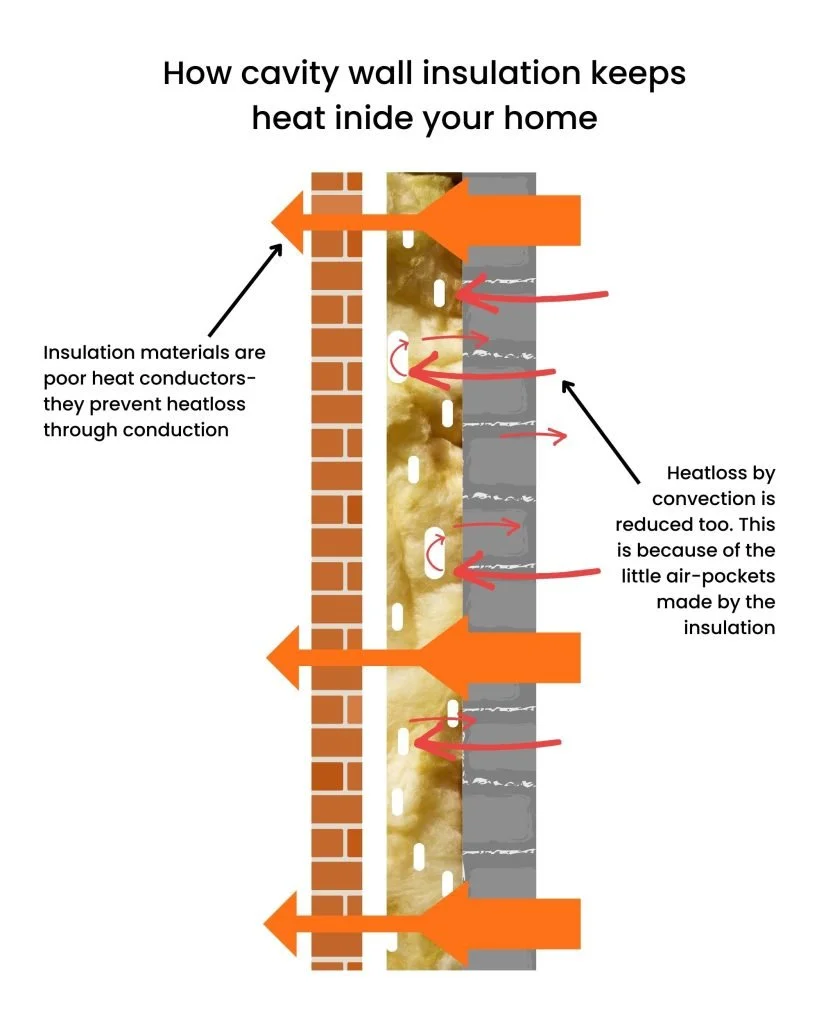
If your home has cavity walls, insulating them can significantly improve heat retention.
Benefits:
Warmer rooms
Reduced cold spots
Lower ongoing energy use
A suitability check is important before installation.
Solid Wall Insulation
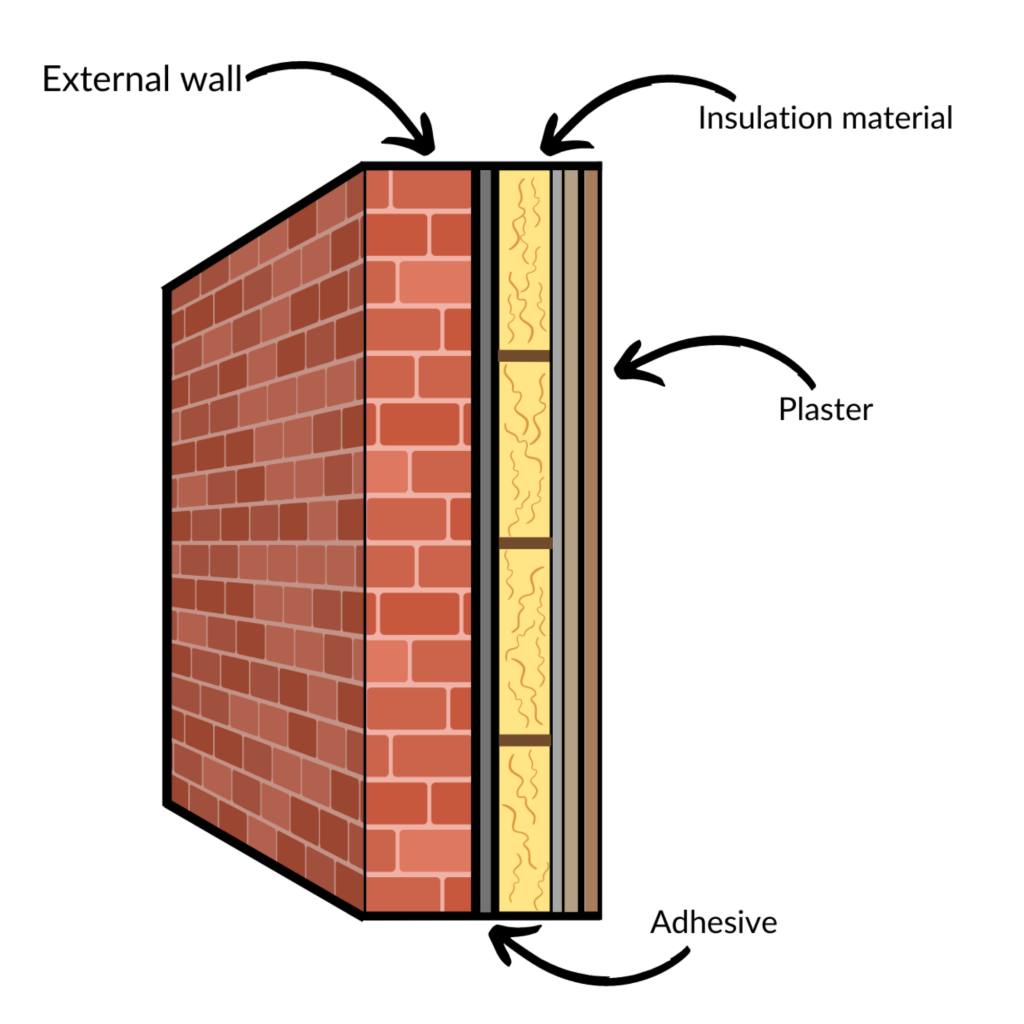
Common in older properties, terraces, and stone-built homes.
Benefits:
Dramatic comfort improvement
Long-term energy savings
Better internal temperature stability
This is a higher-impact upgrade that’s often part of a full retrofit plan.
Insulation Before Heat Pumps or Solar — Why It Matters
Modern upgrades like air source heat pumps and solar panels work best when energy loss is already minimised.
Heat pumps perform more efficiently in well-insulated homes
Smaller systems can be installed, reducing cost
Solar energy stretches further when demand is lower
This is why professional energy assessments always start with insulation.
Can Insulation Be Partially Funded?
Some homes may qualify for support schemes such as GBIS or local initiatives, but even when funding is available, insulation should be viewed as a long-term investment, not just a grant opportunity.
Many homeowners choose:
Fully private upgrades
Part-funded upgrades
A phased approach over time
The key is choosing what makes sense for your home, not just what’s available.
What’s the Best Insulation Option for Your Home?
Every home is different. The right solution depends on:
Property type and age
Existing insulation levels
Future upgrade plans
Budget and priorities
The smartest next step is a quick suitability assessment, so you can make an informed decision — whether that’s insulation only or part of a wider energy upgrade.
👉 Speak to an Energy Upgrade Advisor
We help homeowners understand:
Which insulation upgrades make sense
How insulation fits with heat pumps or solar
Whether funding support may be available
The most cost-effective route forward
Get clear advice tailored to your home.