Air Source Heat Pumps Explained: Costs, Savings, and Whether Your Home Is Suitable
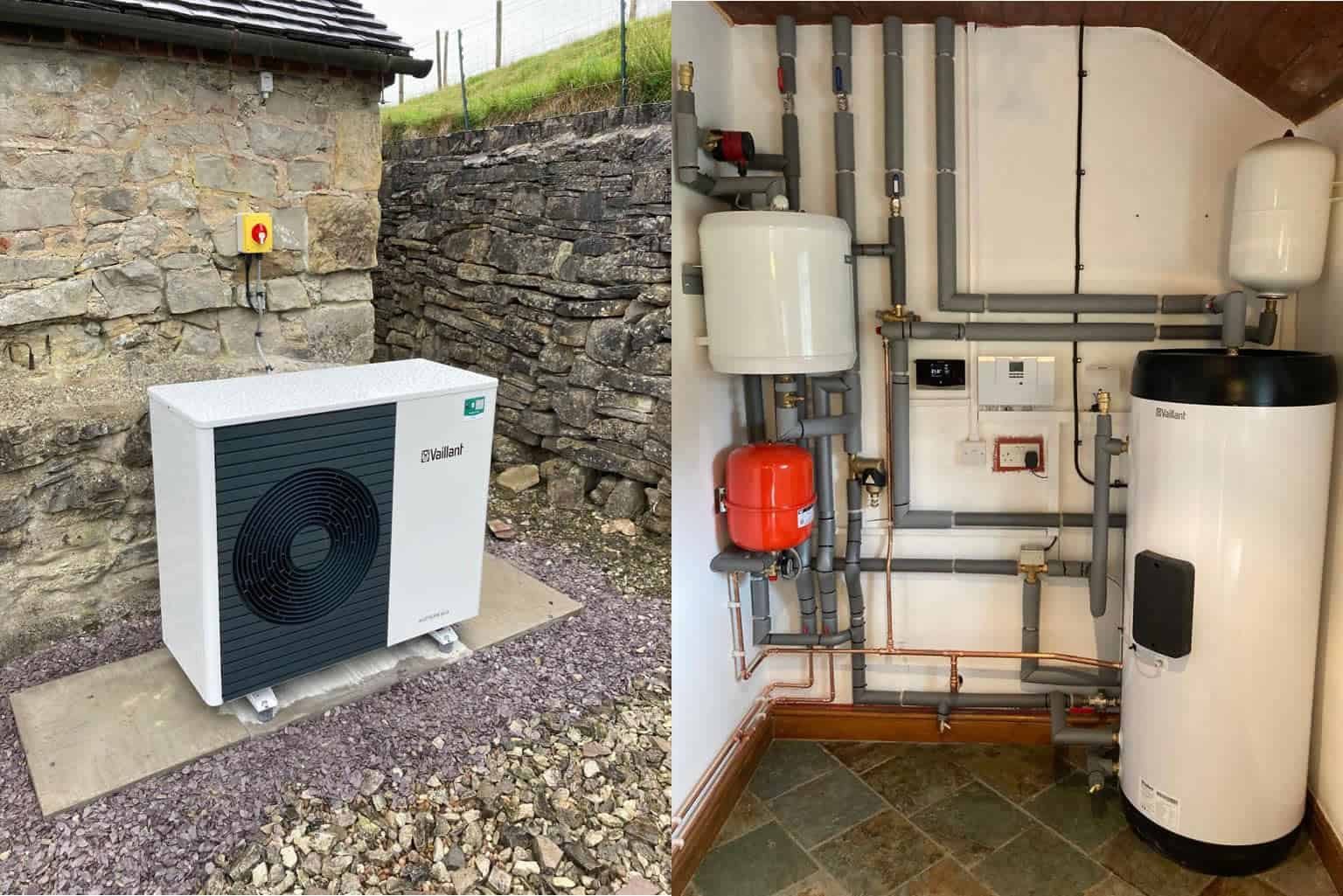
Air source heat pumps are becoming one of the most talked-about home energy upgrades in the UK — but they’re also one of the most misunderstood.
Some homeowners are told they’re a silver bullet. Others are warned they won’t work in “normal” homes.
The truth sits somewhere in the middle.
In this guide, we’ll break down:
How air source heat pumps actually work
What they cost to install and run
What makes a home suitable (and what doesn’t)
How insulation plays a critical role
Whether a heat pump makes sense for your home
What Is an Air Source Heat Pump?
An air source heat pump (ASHP) extracts heat from the outside air and uses it to heat your home and hot water.
Even in cold weather, there’s usable heat in the air. The system concentrates this heat and transfers it indoors using electricity, rather than burning gas or oil.
Because of this, heat pumps:
Use far less energy than traditional boilers
Produce lower carbon emissions
Deliver steady, consistent heat
Heat Pump vs Gas Boiler: What’s the Difference?
Traditional boilers:
Burn fuel to create heat
Deliver short, intense bursts of heating
Lose efficiency as fuel prices rise
Air source heat pumps:
Move heat rather than generate it
Run at lower temperatures for longer periods
Are most efficient in well-insulated homes
This difference is why home preparation matters more than the heat pump itself.
How Much Does an Air Source Heat Pump Cost?
Costs vary depending on:
Property size
Existing heating system
Insulation levels
Radiator and pipework requirements
Typical considerations include:
System supply and installation
Hot water cylinder upgrades
Radiator sizing adjustments
While upfront costs are higher than a boiler replacement, many homeowners see:
Lower long-term running costs
Protection from gas price volatility
Improved EPC ratings and property value
Some homes may also qualify for support schemes, which can reduce the overall cost — but suitability should always come first.
Is Your Home Suitable for a Heat Pump?
This is the most important question — and the one most people don’t get a straight answer to.
A home is more likely to be suitable if:
It’s reasonably well insulated
Heat loss has been reduced (loft/walls)
Radiators are correctly sized
There’s space for an outdoor unit
A heat pump can still work in older homes — but only when insulation and heat loss are addressed first.
This is why insulation is usually the starting point.
Why Insulation Matters So Much
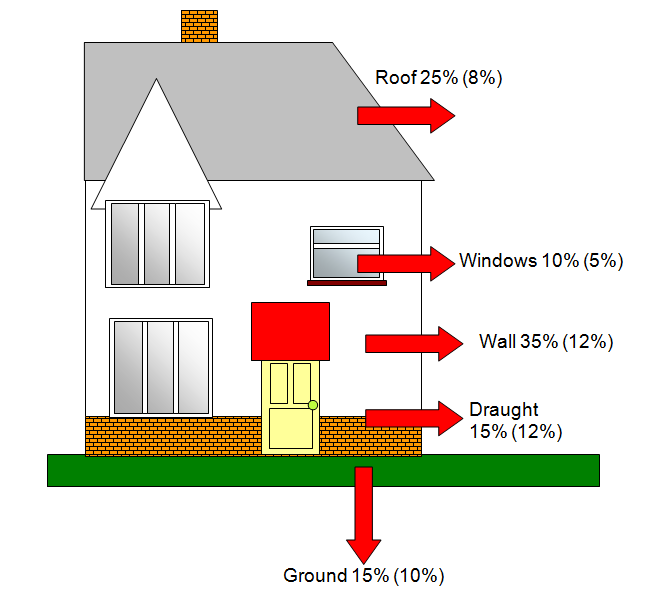
Heat pumps work best when they don’t have to fight constant heat loss.
Good insulation means:
Lower energy demand
Smaller, more efficient systems
Better comfort throughout the home
Reduced running costs
Without insulation, even the best heat pump will struggle to perform efficiently.
Heat Pumps as Part of a Bigger Upgrade Plan
Many homeowners now take a step-by-step approach:
Improve insulation first
Upgrade heating to a heat pump
Add solar panels to reduce electricity costs
This creates a future-proofed home that’s:
Cheaper to run
More comfortable year-round
Less dependent on fossil fuels
Is a Heat Pump Right for You?
There’s no one-size-fits-all answer.
The right decision depends on:
Your home’s current efficiency
Your long-term plans
Your budget and priorities
What matters most is getting clear, honest advice based on your property — not sales pressure.
👉 Speak to a Home Energy Upgrade Advisor
We help homeowners understand:
Whether a heat pump is suitable
What preparation (if any) is needed
How insulation, heating, and solar work together
The most sensible route forward — private or part-funded
Get tailored advice before making a decision.